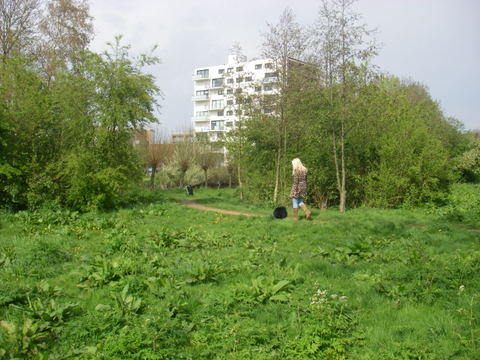
Gentle movement
Light activity may help support circulation, mobility, and confidence with daily movement.
A practical guide to understanding daily nerve discomfort, exploring supportive comfort strategies, and building habits that may help you move through each day with greater ease.
Neuropathic nerve discomfort can affect how you walk, rest, focus, and recover. While each person’s experience is different, many people find that consistent daily habits, gentle movement, and thoughtful self-care may support comfort over time. This page brings together 18 practical ideas that may help you ease strain, protect sensitive areas, and create a more sustainable routine for everyday relief.
Real-life comfort strategies often work best when they are small, repeatable, and built around your own daily rhythm.
Light activity may help support circulation, mobility, and confidence with daily movement.
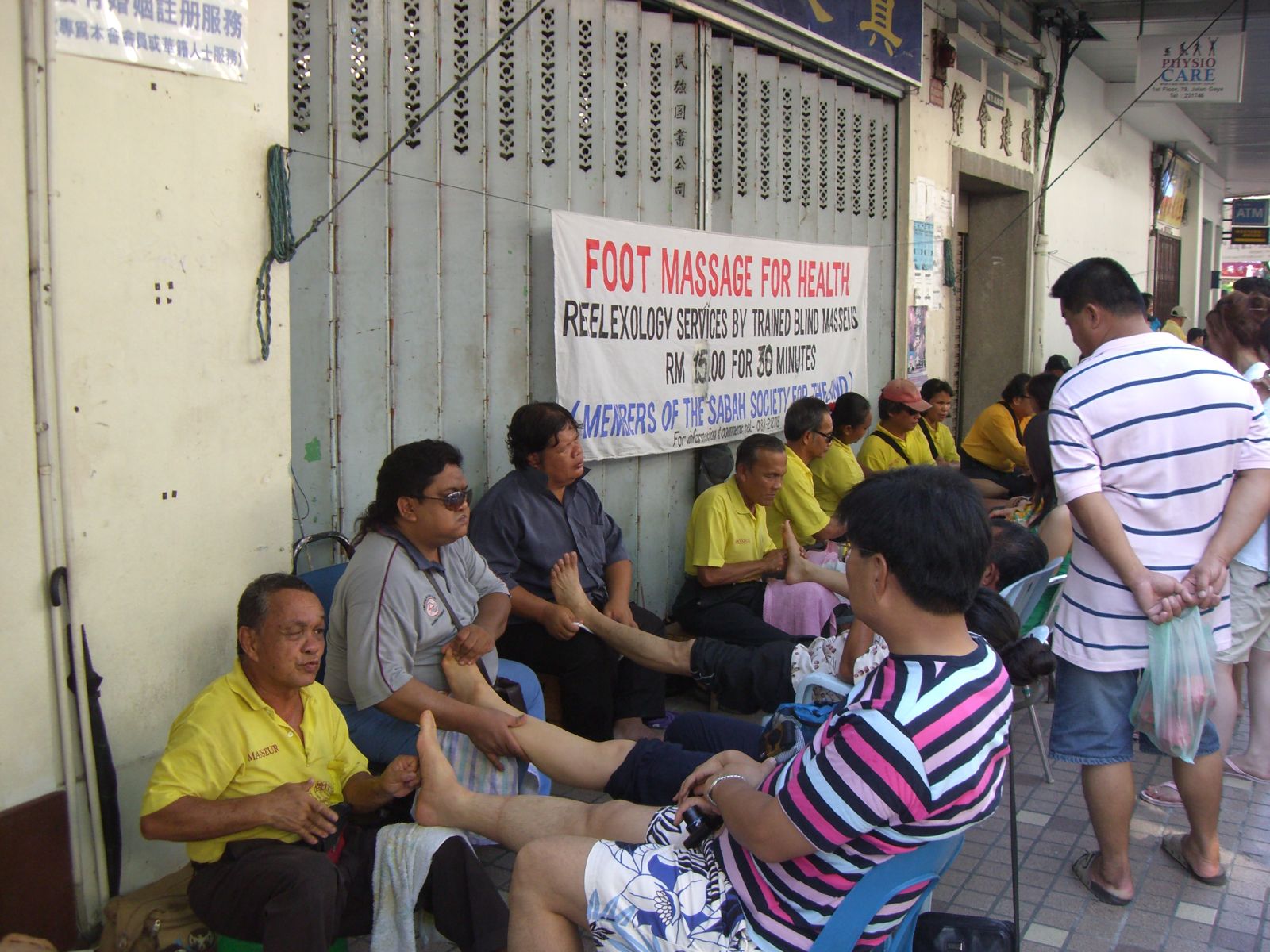
Hands-on relaxation techniques may help reduce tension and create a sense of short-term relief.

Balanced meals and hydration can support overall wellness and long-term resilience.
These ideas are educational and general in nature. What feels helpful can vary, so it is often best to introduce one change at a time and discuss persistent symptoms with a qualified clinician.
Easy, steady walking may help keep the body moving without overwhelming sensitive areas.
Slow stretching may support mobility and reduce the guarded tension that often builds around discomfort.
Warmth may help muscles relax and create a more comfortable starting point before activity.
Some people find that short periods of cooling may calm sensitivity after overuse or irritation.
Thoughtful pillow support and neutral positioning may reduce overnight pressure and help recovery.
Stable shoes with cushioning may help reduce strain while walking or standing for longer periods.
Frequent pauses may help you avoid pushing through pain and building up unnecessary fatigue.
Comfort-focused touch may ease tightness and bring awareness to areas that need gentler care.
Consistent hydration supports overall function and can be an easy foundational habit to maintain.
Nourishing meals may support energy, recovery, and the routines that make symptom management easier.
Changing position more often may help reduce pressure and stiffness that build through the day.
Better ergonomics may reduce repetitive stress and help you move with less guarded tension.
Breathing exercises may help lower stress and soften the body’s response during difficult moments.
Tracking patterns may help you spot positions, habits, or activities that consistently make symptoms worse.
Soft fabrics and gentle care may feel better when nerves are reactive or uncomfortable to touch.
A licensed professional may help tailor movement strategies to your specific symptoms and goals.
For persistent symptoms, a clinician may help you understand medical options appropriate to your case.
Consistent, realistic habits often matter more than intense short-term efforts when seeking daily comfort.
These bigger-picture habits often support the smaller choices that make everyday management easier.
Simple movement habits such as walking or range-of-motion work may help you stay connected to your body without forcing high intensity. The goal is not to push through pain, but to support steadier, more confident daily motion.
Massage, soothing touch, and comfort-focused recovery routines may help you create a pause in the cycle of guarding, stress, and muscle tightness that can amplify discomfort.
Food and hydration choices do not replace care, but they can support energy, sleep, recovery, and the consistency needed to stay engaged with a comfort plan over time.
The information on this website is not medical advice and is not intended to diagnose, treat, cure, or prevent any condition. If symptoms are severe, worsening, or affecting safety, seek guidance from a licensed healthcare professional. For urgent or emergency symptoms, contact local emergency services right away.